Art Deco Window Box Embroidery Design Review
As an experienced embroidery designer and product reviewer, I’ve had the chance to evaluate countless digital embroidery files over the years. Some are flashier than functional, others fall apart under real-world stitching conditions. When I first opened Simple Art Deco Style Window Square Box, it caught my eye with its clean lines and timeless geometric charm. But does it hold up when applied to actual projects? Let’s take a closer look.
First Impressions: A Timeless Touch of Elegance
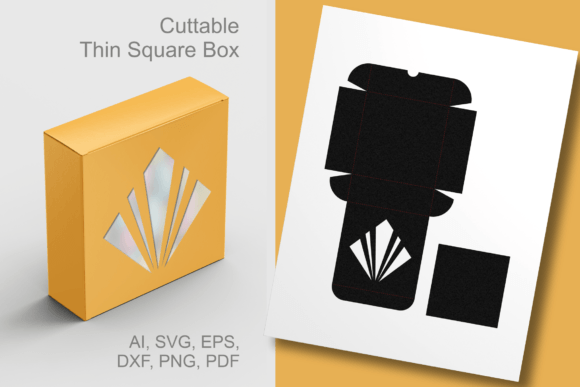
The Simple Art Deco Style Window Square Box brings a refined aesthetic that immediately evokes the glamour of the 1920s and 30s. The design is composed of sharp angles, subtle curves, and a central "window" effect that frames the content inside beautifully. It feels both decorative and purposeful—like a vintage display case for your favorite trinkets. This kind of visual language makes it ideal for handmade products that want to stand out without being overwhelming.
I found the layout to be balanced and intentional. The box shape is symmetrical, which helps maintain stability in stitch placement, while the window adds a focal point that invites attention. The level of detail is just enough to make it feel special but not so intricate that it becomes impractical for everyday use. It’s clear this is a machine embroidery design crafted with both style and function in mind.
Real-Life Use Scenarios
Let me walk you through how I’d see this design working in different embroidery project contexts:
- Tote Bag Design: Placed at the center of a canvas tote, the Art Deco box adds a touch of sophistication. It works especially well if you're using it as a frame for a name or short phrase inside the window. Customers would love this for personalized gifts or boutique-style accessories.
- Sweatshirt Embroidery: On a cotton sweatshirt, the design stands out cleanly. The structured geometry complements soft fabrics and doesn’t get lost in the texture. It could serve as a brand logo or a thematic accent for seasonal collections.
- Baby Embroidery: For a baby blanket or pillow cover, the design offers a modern twist on traditional motifs. Pairing it with simple fill stitches or applique elements inside the window gives it a fresh, stylish edge perfect for nursery decor.
- Embroidered Patch: As a patch design, the square box structure is easy to hoop and stitch accurately. It can be used to highlight a company logo, event name, or custom message. The crisp edges translate well into smaller formats, though care must be taken with scale.
- Tea Towel or Apron Embroidery: The window framing effect is particularly useful here. You can place a recipe name or kitchen motif inside the box, making it a great option for holiday embroidery or themed home goods.
- Cap or Hat Embroidery: Because the design is symmetrical and centered, it adapts well to curved surfaces. However, the corners might require some manual tweaking depending on the curvature of the cap.
In each of these scenarios, the design contributes a sense of quality and thoughtfulness. It’s versatile enough to suit both casual and professional applications, from personal gifts to commercial embroidery for small shops or Etsy sellers.
Where Caution Is Advised
While the 3D SVG format offers flexibility, there are certain situations where the Simple Art Deco Style Window Square Box may need extra consideration:
- Small Hoop Sizes: If you’re planning to shrink the design significantly (e.g., for a keychain or tiny patch), test it thoroughly. Fine details may lose clarity if scaled too much.
- Textured or Stretchy Fabrics: The design relies on precise stitch alignment. On stretchy or uneven materials like knit fabric, you might notice slight distortions unless you use proper stabilizer.
- Dark Fabric Backgrounds: Thread color contrast is crucial. On darker backgrounds, consider using white or metallic threads to ensure the design remains visible and vibrant.
- Layered Garments: If you’re embroidering a garment with multiple layers (like a jacket or padded vest), the stitch density might compress the fabric or cause puckering. Always do a test run on scrap material.
- Curved Surfaces: Though the symmetry helps, the corners may still require adjustment. Curved embroidery areas like caps or sleeves demand careful placement to avoid distortion.
- Dense Stitch Areas: The central window area may involve satin stitch or fill stitch. Be mindful of how those dense sections interact with the surrounding fabric, especially if it’s thin or delicate.
These aren’t showstoppers, but they are important factors when choosing the right embroidery file for your next project.
Visual Appeal and Project Value
One of the strongest aspects of the Simple Art Deco Style Window Square Box is its ability to elevate the overall look of a product. Whether you're creating a personalized gift or branding a line of small shop products, this design adds a layer of refinement that customers will appreciate. Its structured form and elegant silhouette contribute to a more professional finish, which is essential for building customer trust and enhancing product value.
For Etsy sellers and craft business owners, the design supports brand consistency. It can be reused across different items—totes, aprons, tea towels—to create a cohesive visual identity. And for those who offer digital embroidery files as part of their offerings, this is a solid asset that appeals to both hobbyists and professionals looking for a classic yet modern design.
Designer Notes: Making It Work for You
If you're considering using Simple Art Deco Style Window Square Box in your own work, here are some practical tips to keep in mind:
- Test on Scrap Fabric First: Especially if you're using it on a new type of material or shrinking it down. This will help you catch any potential issues early.
- Check Thread Color Contrast: Depending on your background fabric, the default thread colors may not pop. Experiment with alternatives to enhance visibility and depth.
- Review Stitch Density: Look closely at the satin stitch and fill stitch areas. If they're too tight, they may pucker; if too loose, they may lack definition.
- Confirm Hoop Size: While the design is adaptable, always check what hoop size is recommended. If it's not specified, start with a mid-sized hoop and adjust based on results.
- Inspect Small Details: The ornamental edges and window frame have fine elements. Ensure your machine can handle them before mass production.
- Use Proper Stabilizer: To maintain shape and prevent shifting, choose a stabilizer that suits your fabric. Tear-away or cut-away options often work best for cotton-based materials.
- Test Black and White Mockups: Before finalizing thread choices, visualize the design in grayscale. This helps you understand how it’ll appear in low-light settings or on unexpected fabric tones.
- Compare Light and Dark Fabrics: See how the design behaves on both ends of the spectrum. This will inform your marketing and customer expectations.
- Check Licensing: If you plan to sell finished products or include this in your design assets, verify whether it allows commercial use. Don’t assume—always confirm.
By following these steps, you’ll ensure that the design performs at its best and maintains its visual integrity across all uses.
Final Thoughts
The Simple Art Deco Style Window Square Box isn’t flashy, but it has a quiet confidence that makes it memorable. It’s one of those designs that feels like it belongs anywhere—whether on a cozy custom apparel piece or a bold holiday gift item. Its strength lies in its adaptability and timeless appeal, which is exactly what many creative entrepreneurs and apparel decorators are looking for.
From a practical standpoint, it’s a reliable choice for most embroidery projects within the Shapes category. Just remember to tailor it to your specific needs by adjusting scale, color, and stabilizing techniques. With a little attention to detail, this embroidery design can become a staple in your creative toolkit.