Haunted House Display 3D SVG for Spooky Branding and Marketing
As a brand designer and content marketer, I’m always on the lookout for design assets that can elevate visual storytelling while aligning with brand values. The Haunted House Display is one such asset—offering a compelling blend of spooky aesthetics and professional-grade adaptability. This 3D SVG shape isn’t just another Halloween decoration; it’s a strategic tool for marketers aiming to create immersive, emotionally resonant campaigns around seasonal themes.
Evaluating the First Impression: Mood and Emotional Tone
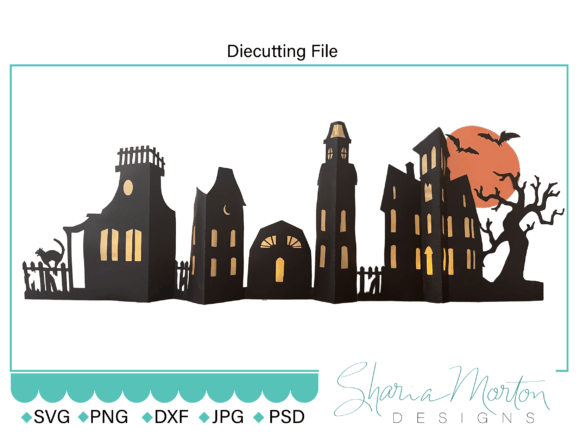
At first glance, the Haunted House Display evokes a sense of eerie charm and nostalgic horror. Its stylized architecture suggests both whimsy and mystery, making it ideal for brands targeting audiences who enjoy pop culture references, themed events, or cozy yet spooky ambiance. It doesn’t scream fear but rather whispers intrigue—an important distinction when crafting visuals that need to be engaging without being off-putting.
This design works particularly well for lifestyle brands, small businesses, and digital sellers in niches like home décor, event planning, or seasonal product launches. It creates an emotional tone that bridges casual fun with sophisticated design, which is essential for modern marketing where authenticity meets professionalism.
Application Across Multiple Marketing Channels
One of the key strengths of this 3D SVG asset lies in its versatility across platforms. Whether you're designing social media graphics, editorial layouts, or even packaging inserts for a new line of candles or Halloween-themed products, the haunted house adds a unique visual anchor.
- Brand Identity: Use the haunted house as a subtle motif in logo design or brand guidelines for a fall/winter collection.
- Packaging Design: Integrate it into product labels or gift box accents to enhance the spooky vibe of your offerings.
- Social Media Graphics: Perfect for Instagram posts, Facebook ads, or Pinterest pins promoting seasonal events or limited-time offers.
- Email Banners: Add it to email headers for newsletters highlighting Halloween promotions or themed bundles.
- Canva Templates: Incorporate it into branded Canva templates for consistent and eye-catching campaign materials.
It also fits well within content kits for bloggers and publishers creating fall-themed articles or guides. The haunted house can serve as a header illustration or a decorative element that ties each piece together visually, reinforcing brand recognition and aesthetic cohesion.
Supporting Stronger Campaign Visuals
The Haunted House Display contributes to several core marketing goals by offering a cohesive and adaptable visual element. For starters, it enhances the first impression of any design layout, especially those centered around Halloween or autumnal themes. Its 3D structure allows for layered compositions, giving your visuals more depth and interest without cluttering the space.
In terms of visual hierarchy, the haunted house can act as a focal point or secondary accent depending on how it's positioned. When used as a background element behind text or icons, it subtly reinforces the theme without overpowering the message. For digital sellers, this kind of balance is crucial—your audience should feel drawn in, not distracted.
Branding consistency is another area where this asset shines. If your business is launching a seasonal product or refresh, using the haunted house in multiple touchpoints (from social media covers to web headers) helps build a unified look and feel. This repetition fosters audience trust and makes your brand more recognizable during peak holiday periods.
Where the Asset Works Best: Strategic Use Cases
Here are some of the most effective ways to use the Haunted House Display in your creative toolkit:
- Hero Graphics: Place it at the top of blog posts or landing pages to set the scene for a Halloween campaign.
- Product Launch Visuals: Pair it with a candle or ornament product shot to highlight the spooky season lineup.
- Branded Templates: Embed it into custom Canva templates for consistent and shareable social media posts.
- Editorial Layouts: Use it to frame stories about haunted houses, ghostly legends, or DIY Halloween decorations.
- Promotional Banners: Create memorable banners for e-commerce sites selling seasonal goods or experience-based events.
Its 3D nature allows for dynamic layering, which is great for printables like flyers or posters where texture and dimension add visual appeal. It's especially effective when combined with warm tones, shadows, or ambient lighting effects to simulate the glow of LED candles behind it—just as the design suggests.
Caution Zones: Where the Asset Might Fall Short
While the Haunted House Display is undeniably striking, there are scenarios where it may not be the best fit. In formal corporate branding, for example, its spooky aesthetic could clash with the intended tone. Similarly, in designs with dense information or minimalistic styles, the haunted house might introduce unnecessary noise.
For mobile graphics, ensure the asset doesn't lose clarity when scaled down. Test its visibility in smaller formats—like story covers or app banners—to avoid confusing or unrecognizable elements. Also, consider contrast when placing it on lighter backgrounds; the haunted house needs enough shadow and depth to remain legible and impactful.
If your brand leans toward understated elegance or clean modern design, think twice before using this asset unless it's part of a curated seasonal theme. In those cases, it can still work—but only if it complements the overall visual language rather than competing with it.
Practical Brand Designer Notes
Before integrating the Haunted House Display into your next project, take these steps to ensure it aligns with your brand strategy and technical requirements:
- Test with Your Brand Color Palette: Does it pop against your primary colors? Adjust hues or apply overlays to match your brand identity.
- Check Black-and-White Usage: Ensure the haunted house remains legible in grayscale for printed materials or accessibility purposes.
- Place in Real Campaign Mockups: See how it performs in context with other design elements and messaging. Avoid overcrowding the layout.
- Preview on Mobile Screens: Confirm it looks good in responsive layouts and doesn’t break the visual flow on smaller devices.
- Test Readability in Small Sizes: Make sure it maintains its character when reduced for thumbnails or icons.
- Compare Against Competitor Visuals: Determine whether it differentiates your brand or blends into the market clutter.
- Font Pairing Experiments: Try it alongside serif fonts for classic vibes, sans-serif for modern clarity, or script/handwritten fonts for a personal touch.
- Review Spacing and Balance: Don’t let it dominate the composition. Give it room to breathe so it supports rather than overwhelms the message.
- Confirm Commercial Licensing: Always check licensing details before using any graphic design asset in paid campaigns, client projects, or merchandise.
Final Thoughts on the Haunted House Display
The Haunted House Display is more than a seasonal graphic—it’s a versatile 3D SVG asset that can bring personality and thematic depth to your marketing efforts. When used thoughtfully, it enhances visual storytelling, builds stronger emotional connections, and supports a wide range of design applications from printables to digital ads.
For content creators and small business owners looking to stand out in a crowded marketplace, this asset is a valuable addition to your design bundle. Just remember to tailor its use to your specific brand voice and campaign goals. With the right approach, the haunted house becomes not just a symbol of spookiness, but a strategic element of your creative design and professional branding.