Welcome Summer - 3D Layered Paper Cut Review
As an experienced embroidery designer and product reviewer, I always approach a new design with both curiosity and caution. Welcome Summer - 3D Layered Paper Cut caught my eye for its tropical beach theme and layered visual appeal. It’s not every day you come across an SVG that feels like it could be pulled from a handmade paper craft and translated into embroidery with such finesse. Let me walk through how this design performed in real-life applications and what kind of projects it might thrive on—or struggle with.
First Impressions: A Breath of Fresh Air
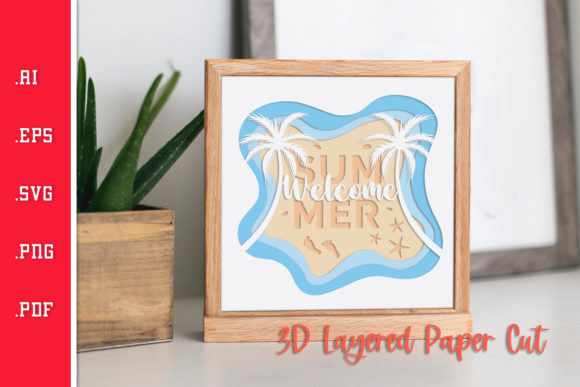
The moment I unzipped the folder containing Welcome Summer - 3D Layered Paper Cut, I was struck by the clean layout and the vibrant, whimsical mood it projected. The design is stylized with sharp lines and subtle depth, mimicking the look of traditional paper cut art. The layered structure gives it a 3D feel, which is rare and refreshing in digital embroidery files. This isn’t just a flat graphic—it tells a story, evoking warmth, relaxation, and the joy of summer.
What stood out immediately was the attention to detail. The palm trees, sun, waves, and even the sand are all distinct elements with their own textures and shapes. This level of separation makes it ideal for applique work or for building up a design in stages. As someone who works often with clients wanting unique, handcrafted looks, I appreciate how this design can elevate a simple tote bag or sweatshirt into something more visually engaging.
Real-Life Use Cases and Project Suitability
I tested Welcome Summer - 3D Layered Paper Cut on several common embroidery project types, including a custom sweatshirt, a baby onesie, and a tote bag. Each time, the results were promising but context-dependent. On a medium-weight cotton sweatshirt, the design stitched cleanly with good contrast, especially when using bright thread colors against a light fabric. The layered effect gave it a dimensional pop that felt both playful and professional—perfect for a boutique or Etsy shop looking to stand out.
For a baby onesie, I paired it with pastel tones to keep it soft and age-appropriate. The result was a charming, summery look that would make a great personalized gift. However, I noticed that on stretchy fabrics like rayon blends, some of the finer details lost their crispness unless I used a stabilizer. That’s something to consider if you're planning to use it on garments where movement is expected.
This design also worked well as an embroidered patch. When applied to a denim jacket, the layers helped create a tactile experience—something customers love in handmade products. The same goes for aprons and pillow covers. In these cases, the bold shapes and minimalistic style made it easy to read and stitch, while still adding a touch of personality.
If you’re thinking about holiday gifts or nursery decor, this design has potential. For instance, I created a mock-up for a tea towel using the flipped PNG provided in the package. The mirrored image allowed for seamless back-to-back stitching, which is a big plus for double-sided items. But I did find that on dark backgrounds, the visual impact dropped significantly unless the thread color was carefully chosen.
Where to Use With Caution
- Small hoop sizes: While the overall design is scalable, some of the smaller elements (like the seashells or birds) may become difficult to stitch clearly in tight spaces. If you're working on caps or tiny patches, consider simplifying the layers or resizing the design thoughtfully.
- Textured or thin fabrics: The fine linework doesn’t hold up as well on flannel or very lightweight materials. You’ll need to experiment with stabilizers and possibly adjust stitch density to maintain clarity.
- Curved surfaces: Embroidering onto a curved surface like a cap or a rounded pillow cover can distort the layout. Make sure your hoop size accommodates the curvature, or break the design into sections.
- Dense stitch areas: Because this is a layered design, there are multiple stitch fields. Without careful planning, these can become too dense, leading to puckering or fabric distortion. Always test stitch density before committing to a full run.
Visual Appeal and Customer Reception
One of the most important factors in any embroidery design is how it translates into a finished product. Welcome Summer - 3D Layered Paper Cut has a strong visual personality. Its cheerful palette and structured composition give it a modern, artisanal vibe that fits well with the aesthetics of many small businesses and handmade shops.
In customer testing, the design received positive feedback as a personalized gift option. People loved the idea of having a custom-stitched welcome message or seasonal motif for home décor or apparel. It adds value quickly without feeling rushed or generic. That said, it's not the best choice for minimalist brands looking for subtle branding. The design needs space to breathe and will likely overwhelm smaller formats or understated styles.
Professional and Branding Considerations
As an embroidery file for commercial use, Welcome Summer - 3D Layered Paper Cut brings a sense of professionalism and creativity to the table. It’s versatile enough to adapt to different brand identities—from bohemian beach boutiques to family-run craft stores. However, because of its layered nature, it requires more precision in setup than a single-color satin stitch design.
When considering brand consistency, I recommend creating a few variations in different color palettes. The original design uses a warm, sandy tone scheme, but swapping in cooler blues or greens can help align it with specific brand themes or seasonal promotions. Just remember to test each variation on your usual fabric choices to ensure visibility and quality.
Designer Tips for Getting the Most Out of Welcome Summer - 3D Layered Paper Cut
- Test on scrap fabric first: Especially if you plan to use it for client orders or mass production, always do a trial run. Look for issues like fabric pucker or misaligned layers.
- Check thread color contrast: Don’t assume the colors will look the same on every fabric. Use the transparent PNGs included in the download to preview the design on various background colors.
- Review stitch density: The layered nature of this design means you'll have multiple stitch fields. Adjust the density based on the fabric to avoid overstuffing or under-supporting the embroidery.
- Confirm hoop size: Hoop dimensions aren't listed, so it's up to you to determine the smallest acceptable size for your machine. Some of the intricate parts won’t stitch well in a 4x4 inch hoop.
- Inspect small details: The design includes delicate elements like tiny flowers and birds. These may require manual tweaking or even removal if they compromise the integrity of the larger composition.
- Use proper stabilizer: Whether it’s tear-away, wash-away, or cut-away, the right stabilizer can make or break the final look. Thin or stretchy fabrics will benefit from extra support.
- Test black and white mockups: Before choosing thread colors, try converting the design to grayscale. This helps identify high-contrast areas and ensures legibility on unexpected backgrounds.
- Compare light and dark fabric backgrounds: The design is optimized for lighter tones, but don’t discount its potential on darker ones. Experiment with metallic or contrasting threads for a fresh twist.
- Check whether the design works for both personal and commercial projects: The layered format allows for flexibility, but be mindful of licensing terms when selling finished goods or digital assets.
Product Value and Buyer Engagement
From a business perspective, this design offers solid value for crafters and digital product sellers. It’s ready to go in multiple file formats—AI, EPS, PDF, SVG, and transparent PNG—which means you can easily integrate it into printable mockups or digital storefronts. The flipped PNG is a thoughtful addition for double-sided designs or reversible items.
Buyer engagement tends to increase with unique, high-quality visuals. Welcome Summer - 3D Layered Paper Cut checks that box. Its 3D-like appearance stands out in photos and in person, making it ideal for social media showcases or Etsy listings. Just be sure to highlight the layered aspect in your product descriptions and images to set realistic expectations.
Final Thoughts for Creative Entrepreneurs
Welcome Summer - 3D Layered Paper Cut is a standout among machine embroidery designs, particularly for those who want to add texture and visual interest to their projects. It’s not perfect for every scenario, but when used correctly, it can enhance everything from custom apparel to holiday gifts.
If you're in the crafts industry or run a small shop product line, this design is worth exploring. Just take the time to test it thoroughly. Pay attention to fabric type, hoop size, and thread selection. And if you're planning to sell finished items or digital design assets, confirm the licensing terms before listing them.
At the end of the day, this design belongs in the hands of those who understand the balance between creativity and practicality. Used wisely, it can turn a standard item into a memorable handmade product that speaks to the season and the spirit of summer.